Principal Investigator
Dr. Songren Wei

Dr. Songren Wei
Principal Investigator
Neurosurgery Center, The National Key Clinical Specialty
The Engineering Technology Research Center of Education Ministry of China on Diagnosis and
Treatment of Cerebrovascular Disease
Guangdong Provincial Key Laboratory on Brain Function Repair and Regeneration
The Neurosurgery Institute of Guangdong Province
Zhujiang Hospital Institute for Brain Science and Intelligence
Zhujiang Hospital, Southern Medical University
NMPA Key Laboratory for Research and Evaluation of Drug
Metabolism & Guangdong Provincial Key Laboratory of New Drug Screening
School of Pharmaceutical Sciences, Southern Medical University
Guangdong-Hong Kong-Macao Greater Bay Area Center for Brain Science and Brain-Inspired
Intelligence
Southern Medical University
Phone: +1 503-381-4838
Email: weaweipoitier@gmail.com / weawei@smu.edu.cn
Laboratory Biography
Our laboratory stands at the forefront of integrating multi-omics approaches with artificial intelligence to decode the intricate neural cellular networks and fundamental principles governing the human brain. We believe that understanding the cellular architecture of the human brain is pivotal to elucidating its diverse intelligence capabilities.
Through pioneering research, we have systematically characterized the cellular structural foundations underlying multiple cortical regions with complex functions, establishing comprehensive cellular atlases of the human cerebral cortex. Our work bridges molecular profiling, spatial organization, and computational analysis to reveal how cellular diversity and organization give rise to higher-order cognitive functions.
Building upon this foundational knowledge, we extend our investigations to various neuropsychiatric disorders. By systematically comparing epileptic and healthy brain tissues, we have uncovered pathological alterations in cellular organizational structures within cortical and hippocampal regions. This comparative approach has provided unprecedented insights into the cellular mechanisms underlying epileptogenesis and associated cognitive impairments, opening new avenues for understanding disease pathophysiology at the cellular resolution.
Our integrative framework—combining single-cell multi-omics, spatial transcriptomics, neuroimaging, and mesoscopic imaging modalities with advanced AI algorithms—enables us to construct multi-dimensional maps of human brain architecture in both health and disease states, ultimately advancing our understanding of human neurobiology and neurological disorders.
Research Team
Our multidisciplinary team of researchers advancing spatial transcriptomics
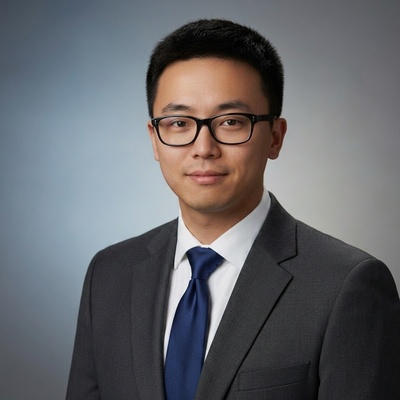
Dr. Meng Luo
PhD
Dr. Luo specializes in machine learning approaches for single-cell analysis, developing innovative computational methods to extract biological insights from complex spatial transcriptomics datasets.
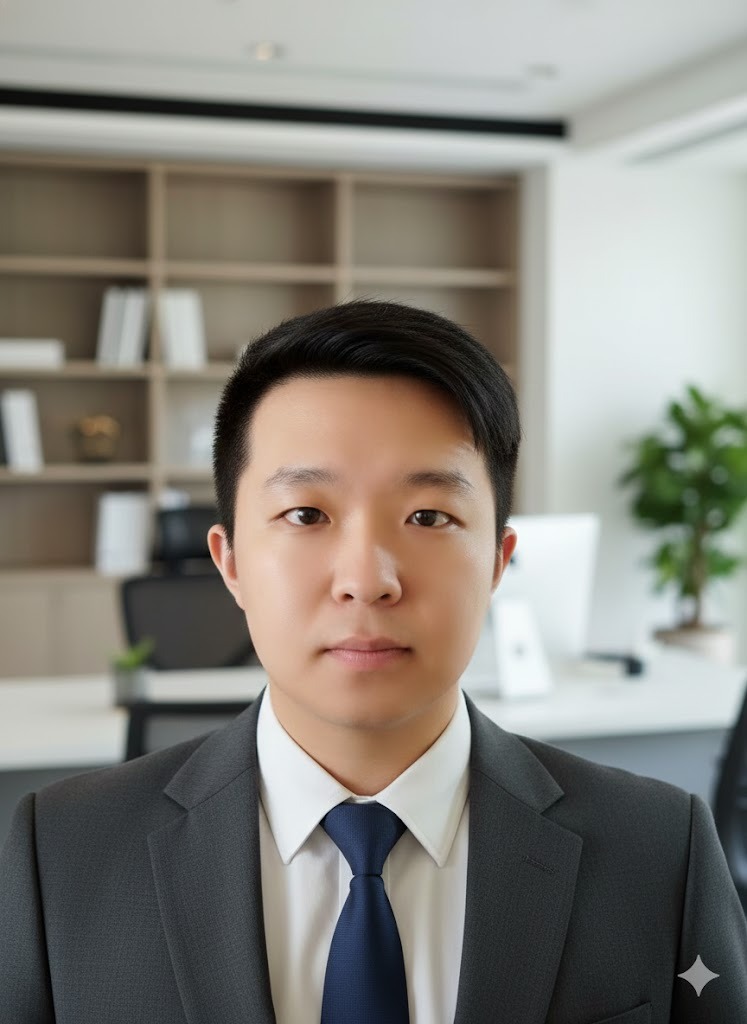
Wenxuan Li
PhD Candidate
Wenxuan focuses on developing and optimizing spatial transcriptomics experimental methods, bridging wet-lab techniques with computational analysis to advance the field.
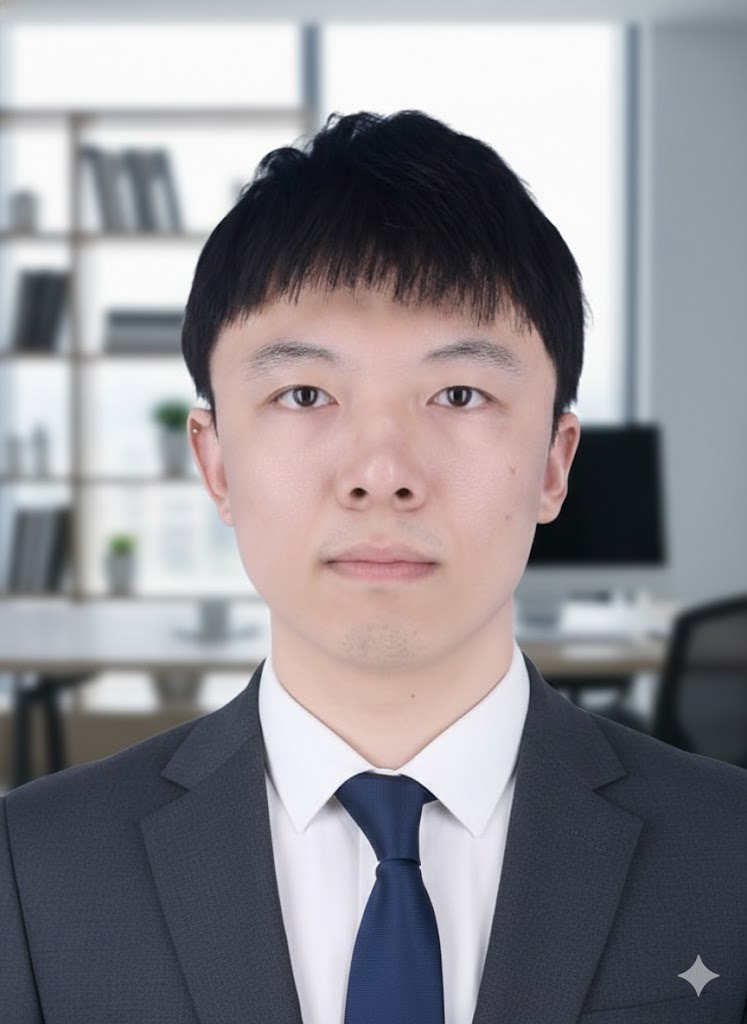
Chenyang Li
PhD Candidate
Chenyang's research in computational genomics focuses on integrating multi-omics data to understand gene regulation and cellular interactions in spatial contexts.
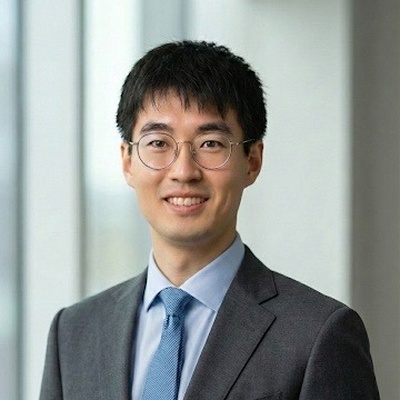
Jiaxi Wu
Meta AI & Data Analysis Researcher
Jiaxi specializes in bioinformatics and data analysis, developing pipelines and visualization tools to make spatial transcriptomics data accessible and interpretable.
🧬 Explore Our Spatial Transcriptomics Data
Interactively visualize cell distributions, gene expressions, and spatial patterns from our latest research.
Launch Data Explorer